Field notes
After 3 studies on gender-based violence, the pattern was undeniable. We didn't wait for a client brief. Here's what it took to go from fieldwork to a funded AI product.
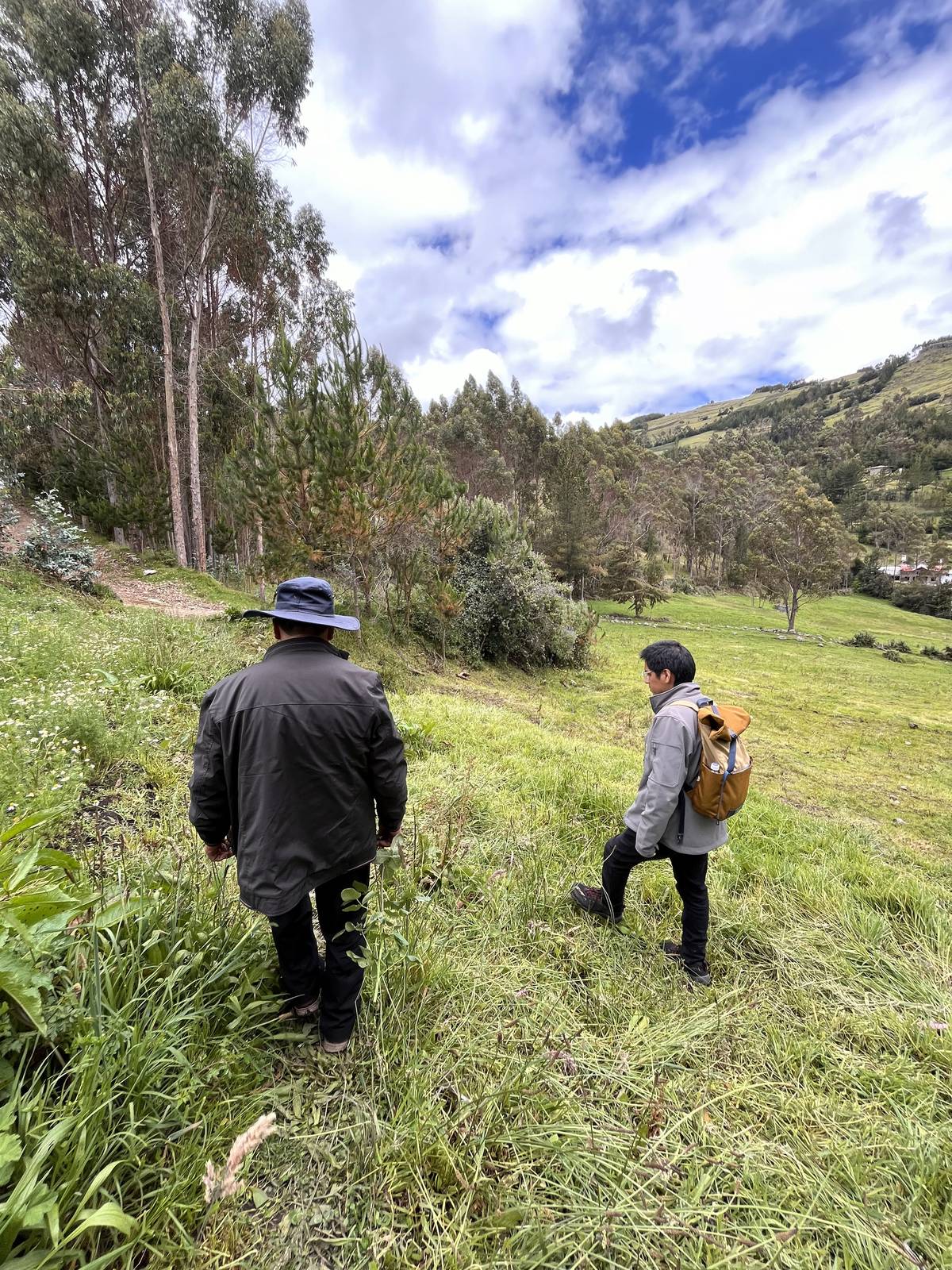
What happens when you take a team of 5 researchers into the Andes to evaluate 15 years of impact and what it takes to translate that into a room of executives.
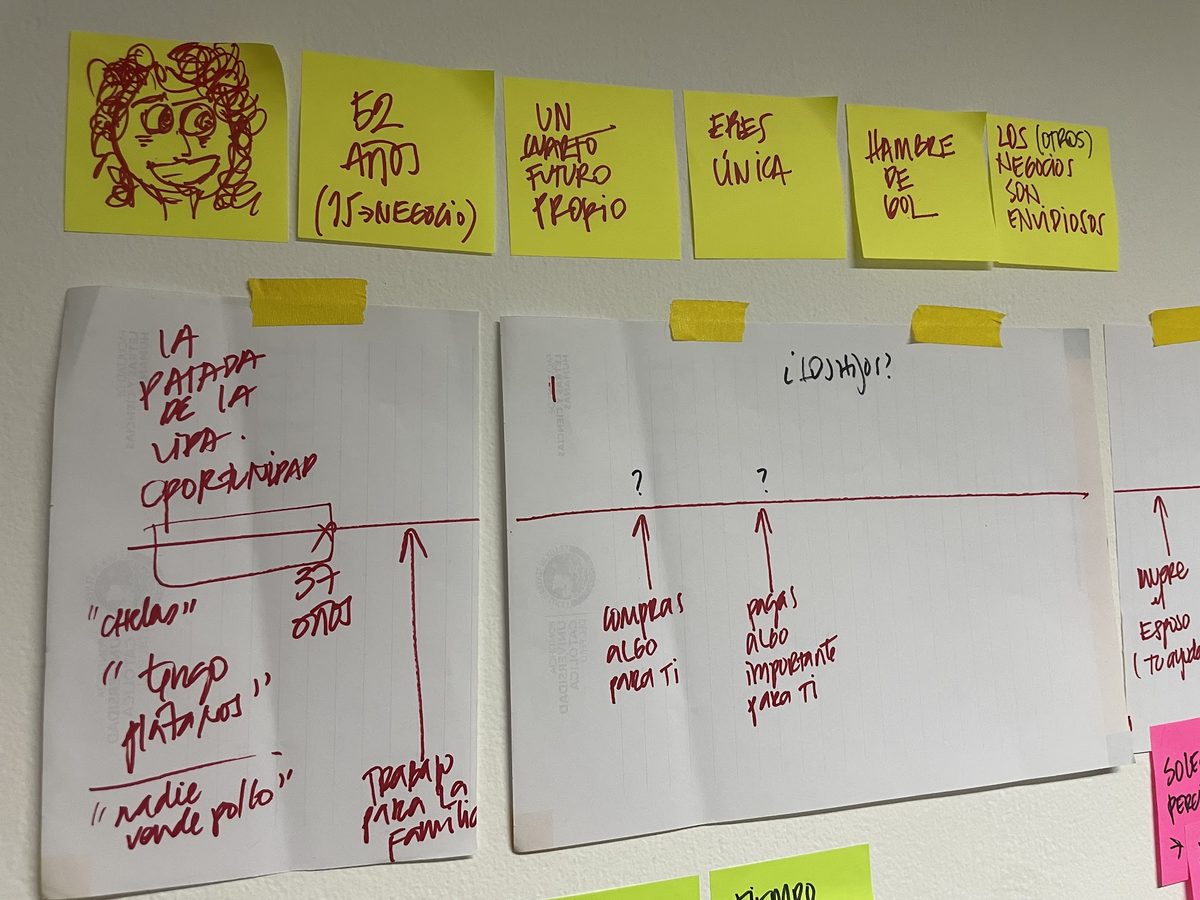
Why using AI on existing data would have reproduced the exact bias we were trying to correct. And what we did instead to reach 20,000 users.
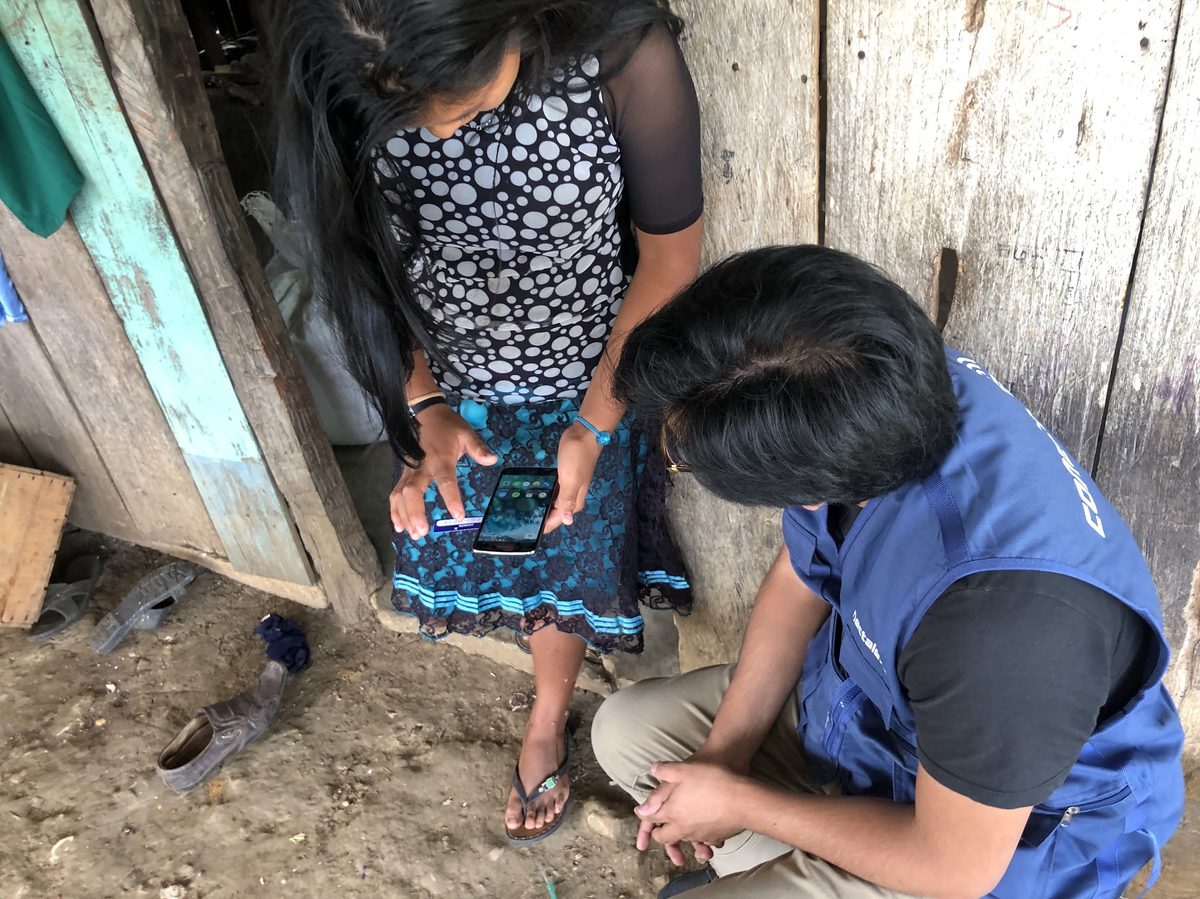
Researching in a language that isn't yours, in a country that isn't yours, for companies that aren't yours. A fieldwork story from Chiapas.
How a 3-person team launched Peru's first telemedicine service in the middle of a global health crisis, iterating at the speed of user feedback.
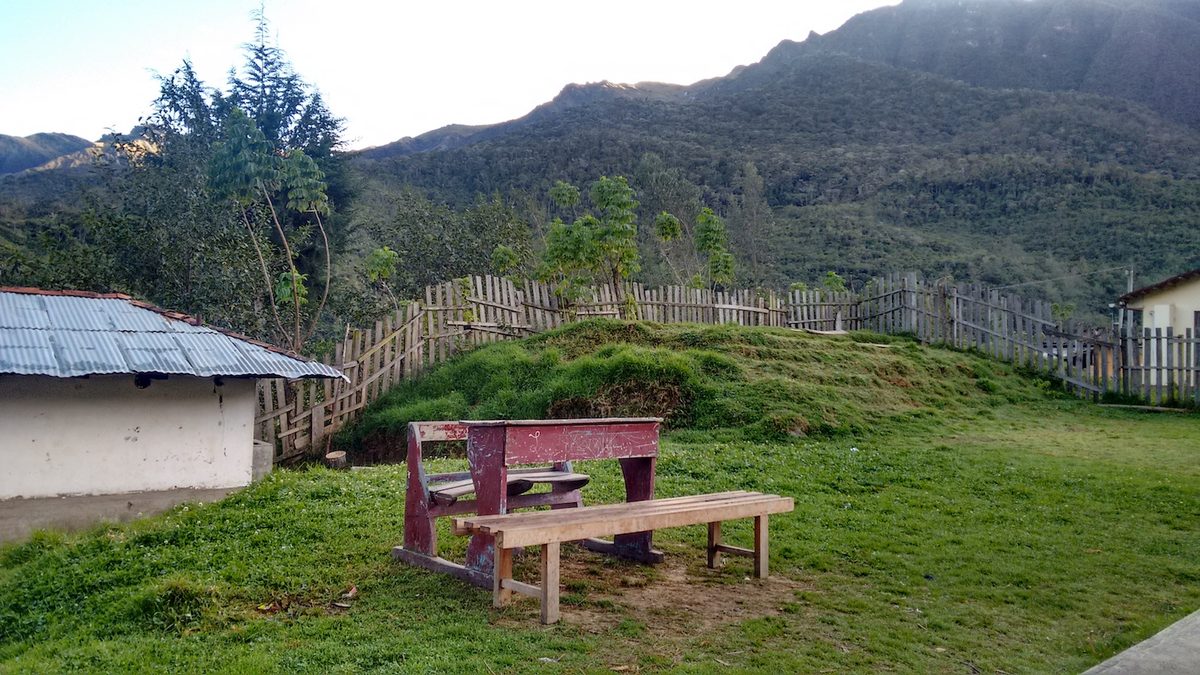
Six months embedded in Peru's Amazonian regions, visiting two schools every week. What we found, and how it entered the national system.
Field observations, methodological reflections, and notes on AI, research, and LatAm published regularly on Substack.
I studied linguistics because language felt like the closest thing to a map of how people think. Then I went into the field rural schools in the Amazon, classrooms where Spanish and Quechua mixed in ways no textbook anticipated and realized the map was always incomplete. The territory kept moving.
That's what I've been chasing ever since: the things that move. Migration. Remesas. Ideas crossing borders that weren't supposed to cross them. The informal economy that operates at scale but leaves no digital trace. The financial behavior of someone who has never trusted a bank but has been part of a tanda for twenty years.
These things don't sit still long enough to be captured by a survey. They require presence. Patience. The willingness to be wrong about your hypothesis before you've even finished writing it.
I co-founded Chakakuna in 2020 to build a practice around that conviction research that goes where institutions can't, documented rigorously enough to change what gets built. We've worked with Peru's largest banks, international NGOs, a German development agency, a Washington-based gender equity organization. Every project has taught me the same thing in a different way: the most important knowledge is the knowledge that isn't written down yet.
Now I'm interested in what happens when you bring AI into that equation not as a replacement for field research, but as a partner in the parts that can be systematized, so researchers can go deeper into the parts that can't. That's the work I'm doing now. From San Francisco, for LatAm.
Let's walk the talk
I'm always open to imagining together what the next challenge looks like.
Get in touch